Understanding Yeast Diaper Rash: What It Is and Why It Happens
Few things are as disheartening for a parent as seeing their little one suffer, and a persistent diaper rash can certainly fall into that category. While many diaper rashes are simply due to irritation from moisture or friction, some are caused by something more specific: a yeast infection. This common condition, medically known as candidiasis, occurs when a type of fungus called Candida albicans overgrows in the warm, moist environment of the diaper area.
Candida is a naturally occurring yeast found on our skin and in our bodies, usually without causing any issues. However, certain conditions can lead to an overgrowth. For babies, the diaper area provides an ideal breeding ground: constant warmth, dampness from urine and stool, and limited airflow. Factors that can contribute to a yeast diaper rash include:
- Prolonged Wetness: Leaving a wet or soiled diaper on for too long creates the perfect moist environment.
- Antibiotic Use: If your baby (or a breastfeeding mother) has recently taken antibiotics, these medications can kill off beneficial bacteria that keep yeast in check, allowing Candida to flourish.
- Dietary Changes: The introduction of new foods, especially those high in sugar, or changes in a breastfeeding mother's diet can sometimes alter the baby's gut flora.
- Weakened Immune System: Babies with compromised immune systems may be more susceptible.
- Existing Diaper Rash: A regular irritant diaper rash can break down the skin barrier, making it easier for yeast to invade and thrive.
Recognizing the Symptoms of a Yeast Diaper Rash
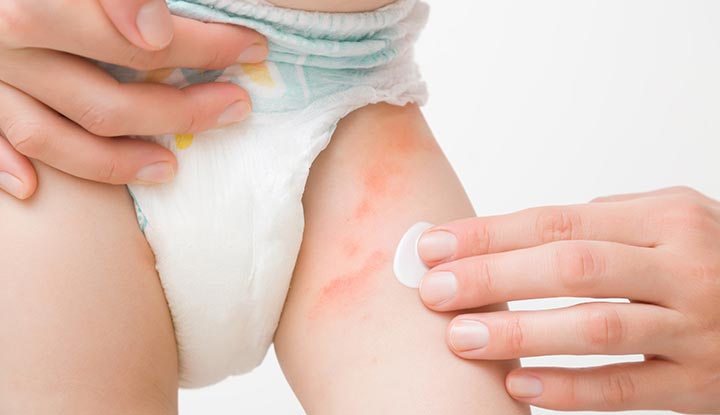
Knowing how to treat yeast diaper rash effectively starts with accurate identification. While a regular diaper rash typically presents as diffuse redness across the diaper area, a yeast diaper rash has distinct characteristics:
- Bright Red Appearance: Often a very angry, fiery red.
- Distinct Borders: The rash usually has sharp, well-defined edges.
- Satellite Lesions: Perhaps the most tell-tale sign, these are small, red spots or pustules that appear outside the main rash area, like "satellites" orbiting a central planet.
- Location: While it can appear anywhere in the diaper area, yeast rashes often favor skin folds (creases of the thighs, groin, around the genitals).
- Persistent and Worsening: Unlike regular diaper rashes that might improve with barrier creams, a yeast rash tends to worsen or not respond to standard diaper rash treatments.
- Painful and Itchy: Your baby may show signs of discomfort, fussiness, or frequently try to scratch the area.
If you suspect a yeast infection, it’s crucial to consult your baby’s healthcare provider for appropriate diagnosis and treatment guidance. They can confirm the diagnosis and rule out other skin conditions.
Medical Treatments: How to Treat Yeast Diaper Rash Effectively
Once a yeast diaper rash is identified, the primary course of action involves targeted medical treatments. These typically focus on topical antifungal medications to eliminate the yeast overgrowth. For a deeper dive into the specifics of prescription options, consider reading our article on OTC & Prescription: Treating Baby's Yeast Diaper Rash Safely.
Over-the-Counter (OTC) Antifungal Creams
Many yeast diaper rashes can be effectively treated with readily available over-the-counter antifungal creams. These are the first line of defense for mild to moderate cases.
- Clotrimazole (e.g., Lotrimin): This is a very common and effective antifungal agent. It works by preventing the growth of fungus. Apply a thin layer to the affected area 2-3 times a day.
- Miconazole: Another popular antifungal, miconazole works similarly to clotrimazole. It's often found in combination with zinc oxide in some diaper rash products, but for a true yeast infection, a dedicated antifungal cream is usually recommended first.
When using these creams, it's vital to apply them directly to the rash and any satellite lesions. Continue use for at least 7-14 days, or as directed by your pediatrician, even if the rash appears to be clearing up after a few days. Stopping too soon can lead to a recurrence.
Prescription Antifungal Medications
If OTC treatments aren't showing improvement after 3-5 days, or if the rash is severe, your pediatrician may prescribe a stronger antifungal cream.
- Nystatin: This is a common prescription antifungal medication specifically designed to treat candidiasis. It's often prescribed as a cream or ointment and is highly effective.
In some cases, your pediatrician might also recommend a mild topical steroid, such as hydrocortisone, to reduce inflammation and discomfort. It's important to note that hydrocortisone should *not* be used alone for a yeast rash, as it can worsen fungal infections. It is typically paired with an antifungal cream and used for a limited duration under medical guidance to help clear up any associated inflammation quickly.
Soothing Home Care & Prevention Strategies
While antifungal medications are crucial for eliminating the yeast, effective home care plays an equally vital role in soothing your baby's discomfort, promoting healing, and preventing future occurrences. These strategies complement medical treatments and create an environment less hospitable to yeast.
Prioritizing Dryness and Air Exposure
This is arguably the most critical step in managing and preventing yeast diaper rash. Yeast thrives in moist environments, so keeping the area as dry as possible is paramount.
- Diaper-Free Time: "Air things out!" as Dr. Johns suggests, is not just a catchy phrase; it's a powerful treatment. Allow your baby to spend as much time as possible without a diaper. Lay them on a clean towel or waterproof pad on the floor or in their crib. Even 10-15 minutes of air exposure several times a day can make a significant difference. For more insights on how to facilitate this, see our article on Heal Yeast Diaper Rash Fast: Diaper-Free Tips & Antifungals.
- Frequent Diaper Changes: Change wet or soiled diapers immediately. This reduces the duration of moisture and contact with irritants.
- Gentle Drying: After cleaning, gently pat the area dry with a soft cloth rather than rubbing. You can even allow a minute or two for air drying before putting on a fresh diaper.
Gentle Cleansing and Hygiene
The way you clean your baby's diaper area can either help or hinder healing.
- Use Warm Water: For cleaning, warm water and a soft cloth are often sufficient. Avoid harsh soaps, bubble baths, or wipes with fragrances, alcohol, or other chemicals, which can further irritate sensitive skin and potentially disrupt the skin's natural balance.
- Avoid Rubbing: Always pat or dab the skin gently to avoid further irritation and breakdown of the skin barrier.
- No Scrubbing: Do not attempt to scrub off any rash or crusts, as this can worsen the irritation.
Diaper Choice and Barrier Creams
- Super-Absorbent Diapers: Choose diapers that are highly absorbent to wick away moisture from your baby's skin quickly.
- Barrier Creams (Used Correctly): For yeast rashes, barrier creams (like those with zinc oxide or petroleum jelly) should generally be applied *after* the antifungal cream has been absorbed. Their primary role is to protect the skin from further irritation, but they should not be used as the sole treatment for a yeast infection. Ask your pediatrician for specific guidance on combining these.
Other Considerations
- Dietary Adjustments: If your baby is older and eating solids, or if you are breastfeeding, discuss any potential dietary triggers with your doctor. Sometimes reducing sugar intake or incorporating probiotics (for older babies, as advised by a doctor) can help restore gut flora balance.
- Oatmeal Baths: While oatmeal baths can be wonderfully soothing for irritated skin, providing relief from itching and discomfort, they are not a cure for a yeast infection. They should be used as an adjunct to antifungal treatments, not a replacement.
When to Consult a Healthcare Provider
While many yeast diaper rashes can be managed at home with OTC antifungals and diligent care, it's always wise to involve a healthcare professional, especially for an initial diagnosis. It's important to consult your baby's pediatrician if:
- You suspect a yeast infection but aren't sure.
- The rash doesn't start to fade or show improvement after 3 days of consistent at-home treatment with OTC antifungals and home care.
- The rash worsens, spreads, or develops blisters, oozing, or open sores.
- Your baby develops a fever or seems unusually ill, which could indicate a more widespread infection.
- The rash is recurrent, suggesting an underlying issue needs to be addressed.
Your pediatrician can accurately diagnose the condition, rule out other causes of rash, and prescribe stronger medications if necessary, ensuring your baby receives the most appropriate and effective care.
Conclusion
Dealing with a yeast diaper rash can be challenging for parents, but with the right knowledge and tools, it's a highly treatable condition. By understanding what causes these rashes, recognizing their unique symptoms, and implementing a combination of effective medical treatments and soothing home care strategies, you can bring relief to your little one. Remember the power of antifungal creams, coupled with consistent hygiene, frequent diaper changes, and plenty of diaper-free time. Always consult your pediatrician if you're unsure, or if the rash doesn't improve, to ensure your baby gets back to their happy, comfortable self as quickly as possible.
